Article Summary
In this article, Kate Bond, Founder of Kate Bond Designs and specialist in biophilic design for healthcare environments, argues that healthcare buildings should do more than meet clinical requirements. Drawing on projects across maternity, mental health, research and bereavement settings, she explores how nature-inspired design can influence patient experience, staff wellbeing and organisational outcomes. As healthcare systems face increasing pressure, the article asks whether the environments in which care is delivered are being given the strategic attention they deserve.
Healthcare environments support some of the most significant and challenging moments in people’s lives. They are places of birth, diagnosis, recovery, treatment, grief and healing, yet discussions about their design have understandably tended to focus on clinical performance, operational efficiency, infection prevention and safety.
Those priorities will always be essential, but they are not the only measure of whether a healthcare environment is working well. An equally important question is whether enough attention is being paid to how these spaces make people feel.
For patients, families and staff, the physical environment is not simply the backdrop to care. It shapes how people experience treatment, respond to stress and find moments of reassurance within what can be an unfamiliar and overwhelming setting. Kate Bond believes that one of the most powerful ways to improve these experiences is through a stronger connection with nature. As Kate explains,
Daylight is one of the fundamental elements of life, alongside views of nature or opportunities to be immersed in it. It’s something many of us instinctively seek, particularly during the darker winter months
Her observation reflects a growing recognition that healthcare design must consider more than whether a building is clinically functional. Biophilic design is not simply about introducing plants or placing decorative artwork on walls. It is about creating environments that respond more thoughtfully to human needs and help people feel calmer, more connected and better supported during care.
The hidden impact of the healthcare environment
Hospitals are highly complex environments. Clinical teams work around the clock, patients often arrive at moments of significant stress or vulnerability, and buildings must accommodate an enormous range of operational, technical and safety requirements. In many older NHS facilities, organisations are also working within estate that was never designed for modern models of care. Healthcare design must therefore respond to demanding practical realities. Materials need to be durable, surfaces must be cleanable and spaces must support clinical observation, security, accessibility and efficient movement. These requirements are essential, but they should not become the only measure of success.
A space can meet every technical standard and still feel intimidating or confusing. A waiting area may be easy to maintain but offer little privacy or reassurance, while a ward may function effectively despite giving patients almost no visual connection to the outside world.
As Kate’s experience across maternity, mental health, neonatal and bereavement environments demonstrates, people do not experience healthcare buildings through specifications and compliance standards alone. They experience light, sound, colour, texture and movement, often at the most emotionally significant moments of their lives.
Noise is one of the clearest examples. Hospitals are naturally busy places, with alarms, equipment, conversations and constant activity, but excessive sound can interfere with rest and sleep, both of which are central to recovery. As Kate explains, “Sound is more than a distraction; it can interrupt one of the most essential aspects of recovery, sleep.”
Lighting and access to the outside world can be equally important. Poorly lit or windowless spaces may intensify feelings of confinement and disorientation, while views of the sky, surrounding landscape, planting or carefully selected artwork can provide orientation and moments of relief.
These elements do not replace good care, nor can design alone resolve the pressures facing healthcare organisations. However, for leaders seeking to improve patient experience, staff wellbeing and the overall quality of care, the conditions created by the physical environment are becoming increasingly difficult to overlook.
Understanding biophilic design
Biophilia is essentially about the relationship between people and nature. It reflects our innate connection to the natural world and the simple fact that we are biologically part of it. Biophilic design brings that connection into the built environment through daylight, colour, materials, texture, views, artwork, natural forms and sensory experience. It is not a decorative style, but a broader approach to creating spaces that feel more coherent, familiar and human.
One of the challenges facing healthcare design is that artwork, interiors and environmental enhancements are still sometimes viewed as secondary considerations rather than part of the overall care experience. Kate believes this is beginning to change, “People increasingly recognise the value of good design; not simply as decoration, but as a professionally considered, holistic approach that integrates architecture, interiors and artwork.”
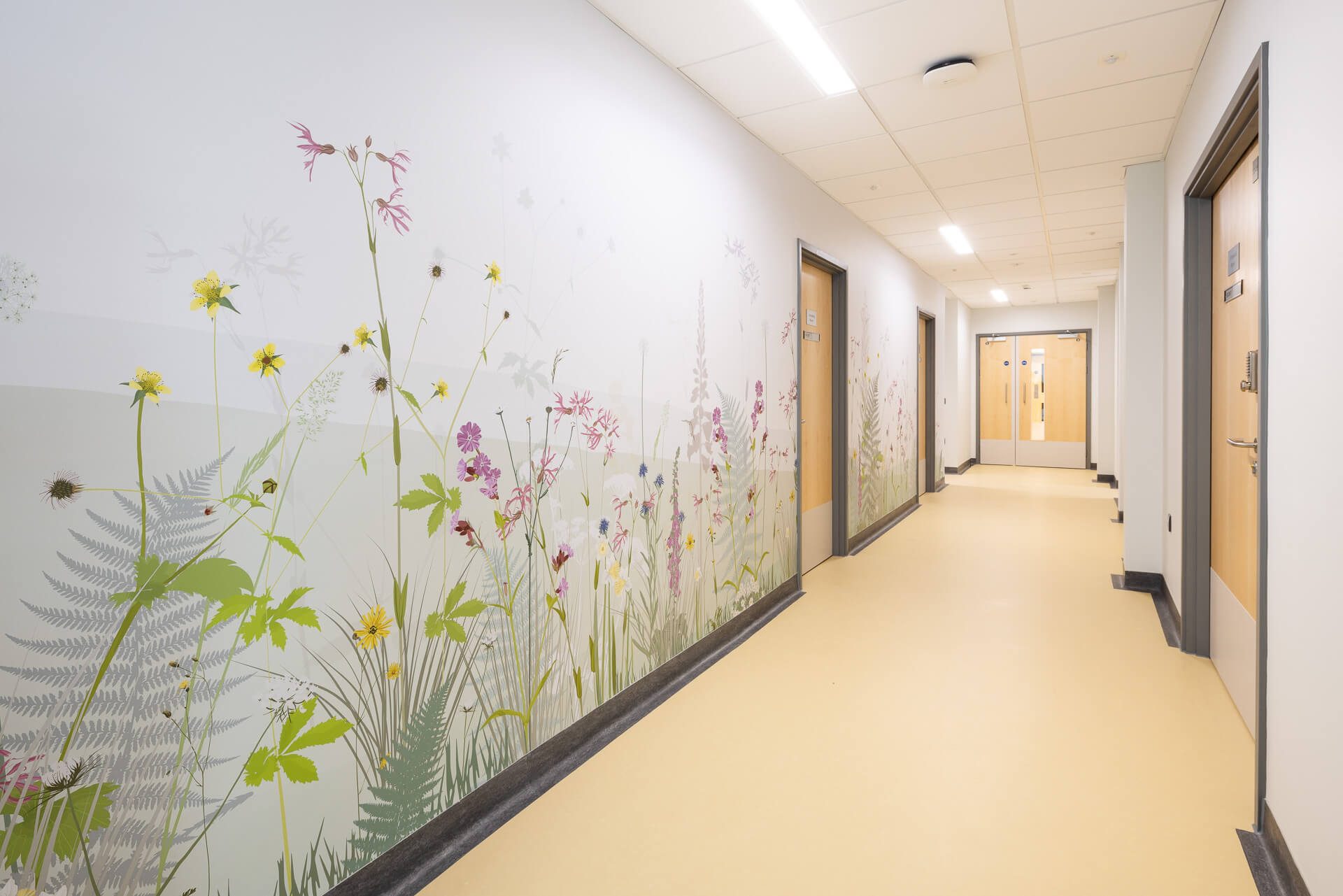
Image 1 – Maple Unit, Yeovil District Hospital Project. Somerset NHS Foundation Trust, Art for Life. Taken by Tom Bright
For Kate, this means understanding the architecture, finishes, colour palette and purpose of a space before introducing artwork or natural references. As she explains, “My role is to integrate nature into interiors in a safe, thoughtful and considered way, responding either to an established interior design strategy or the existing environment.”
When artwork and biophilic elements are introduced late in a project, they can feel disconnected from the wider environment. When they are considered alongside architecture and interior design from the outset, they can become part of a more cohesive strategy, supporting identity, familiarity, wayfinding and a stronger sense of connection to place.
This is particularly important in healthcare, where design cannot be driven by personal taste alone. Every decision must respond to the clinical setting, the needs of patients, visitors and staff, and the practical realities of maintaining a safe and operational environment. The value of biophilic design therefore lies not simply in how a space looks, but in how it is experienced. By creating moments of familiarity, comfort and connection, it can help healthcare environments feel less institutional without compromising the demands of clinical care.
Designing around people, place and purpose
Perhaps the strongest case for biophilic design is the effect it can have on the people who spend time within healthcare environments, but those benefits do not come from applying the same design approach everywhere. What feels appropriate in a maternity setting may not work in mental health care, while a bereavement environment requires a different emotional response again. The most successful schemes begin by understanding who will use the space, what they may be experiencing and how the environment can support them.
For patients who feel anxious, vulnerable or isolated, access to daylight, gardens, courtyards and views of nature can provide moments of calm and restoration. This can be particularly important in mental health settings, where the character of the environment may influence whether people feel comfortable engaging with therapeutic activities or spending time in shared spaces. The benefits also extend to staff. Healthcare professionals spend prolonged periods working in demanding environments that can contribute to stress, fatigue and burnout. Design cannot resolve workforce pressures on its own, but access to daylight, visual interest and places to pause can help create a more supportive working environment.
Kate’s work at University College London Hospital demonstrates why context matters. The labour ward serves an exceptionally diverse community, with patients and families representing more than 100 nationalities, so the artwork drew on plants, trees and birds with cultural significance across different parts of the world. The intention was not simply to make the space more colourful, but to create a greater sense of comfort, familiarity and belonging during an experience that can involve excitement, uncertainty and vulnerability.
Kate’s own experience of giving birth in hospital also influenced the way she approached the project, “I remember feeling a mixture of shock, vulnerability, excitement and the anticipation of a completely new beginning. That experience stayed with me throughout the project and informed many of the creative decisions.”
A research centre within Oxford Health NHS Foundation Trust required a very different response, drawing inspiration from the local landscape through wildflower meadows, orchard species, medicinal plants and subtle references to the Oxford skyline.
Both projects were rooted in nature, but their identities emerged from the people, purpose and place connected to each setting.
This same principle shaped the award-winning Silverwood mental health facility, developed through collaboration with clinicians, service users and people with lived experience. Rather than relying solely on professional assumptions, the project team sought to understand how the environment would genuinely be experienced. One particularly striking part of the process involved contractors, architects, clinicians, staff and people with lived experience spending a night within the hospital. The exercise offered an opportunity to experience the building from the perspective of someone trying to sleep, manage anxiety or spend an extended period away from home.
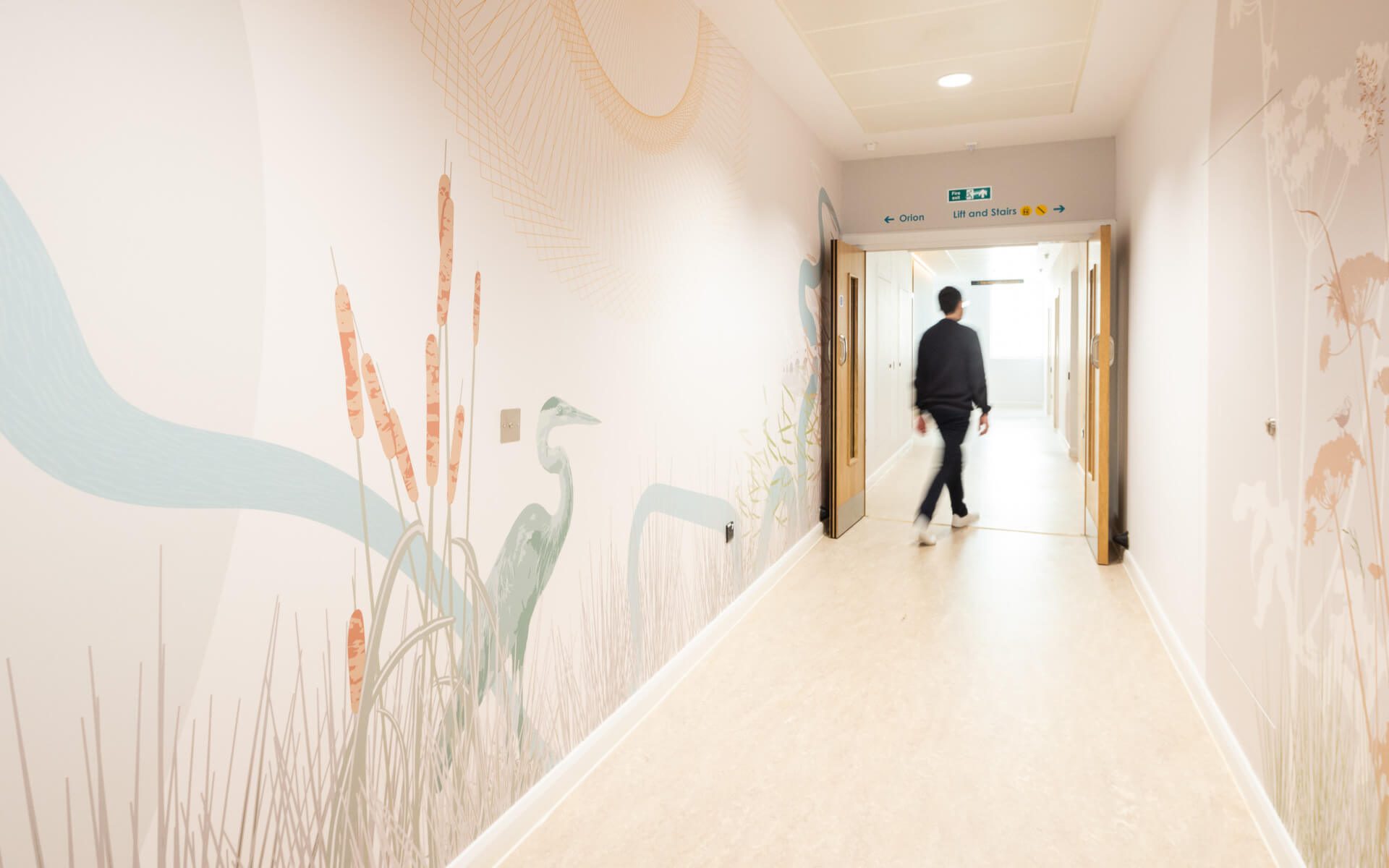
Image 2 – Silverwood Project – Surrey and Borders Partnership NHS Trust. Taken by Tom Bright.
That level of immersion is unusual, but the lesson is widely relevant. Healthcare environments are more likely to support dignity, inclusion and emotional wellbeing when they are designed with the people who will use them, rather than simply for them.
What the future of healthcare design could look like
The future of biophilic design lies in thinking beyond what people see and considering the full sensory experience of healthcare environments. Light, sound, scent, texture, materials and access to nature all influence how a space feels. As Kate shared,
The future of biophilic design is incredibly exciting. I am particularly interested in how we can engage all of the senses to create richer and more meaningful healthcare experiences
Some of these possibilities are already beginning to emerge. Dynamic lighting can reflect natural daylight patterns and help people remain connected to the rhythms of the day, while carefully considered soundscapes may bring moments of calm into busy or enclosed clinical environments. Immersive technology and virtual reality may also offer new ways for patients to experience nature, particularly when illness, mobility or the constraints of the building prevent them from going outside.
These technologies have considerable potential, but they should enhance rather than replace genuine connections with the natural world. A digital landscape cannot fully replicate the experience of daylight, fresh air, a garden or a view of the sky.
There is also an opportunity to rethink the materials used within healthcare settings. Infection prevention and safety will always be essential, but this does not mean clinical environments must feel cold or institutional. Greater collaboration between designers, estates teams and infection prevention specialists could help create spaces that are both safe and more connected to the natural qualities of warmth, texture and familiarity.
The challenge is to find the right balance, recognising that sensory experience is personal and what feels calming to one person may be uncomfortable or overwhelming to another. This again reinforces the importance of involving patients, staff and people with lived experience in the design process.
Ultimately, Kate hopes healthcare design will move beyond creating buildings that simply accommodate the treatment of illness, “I would like to see healthcare environments that don’t simply treat illness but actively promote wellbeing through meaningful connections with nature.”
Healthcare buildings will always need to meet demanding clinical and operational requirements, but their role does not have to end there. As healthcare increasingly focuses on prevention, recovery and more personalised experiences of care, the environments supporting it must evolve as well.
The future of healthcare design may involve increasingly sophisticated technology, but it also depends on recognising something much more fundamental: even in our most vulnerable moments, we remain connected to the natural world. If future healthcare environments can strengthen that connection, they will do more than accommodate care. They will become active contributors to healing, recovery and wellbeing.