
Acute Care
Acute hospitals are under unprecedented pressure, and their environments must support safe, efficient clinical activity hour by hour. Our work in acute care focuses on creating spaces that improve flow, reduce delays, support multidisciplinary working and strengthen clinical outcomes.
By combining strategy, design and delivery, we help organisations move quickly from problem to solution – developing environments that make better use of the existing estate, accelerate decision‑making and improve operational performance.
General Ward
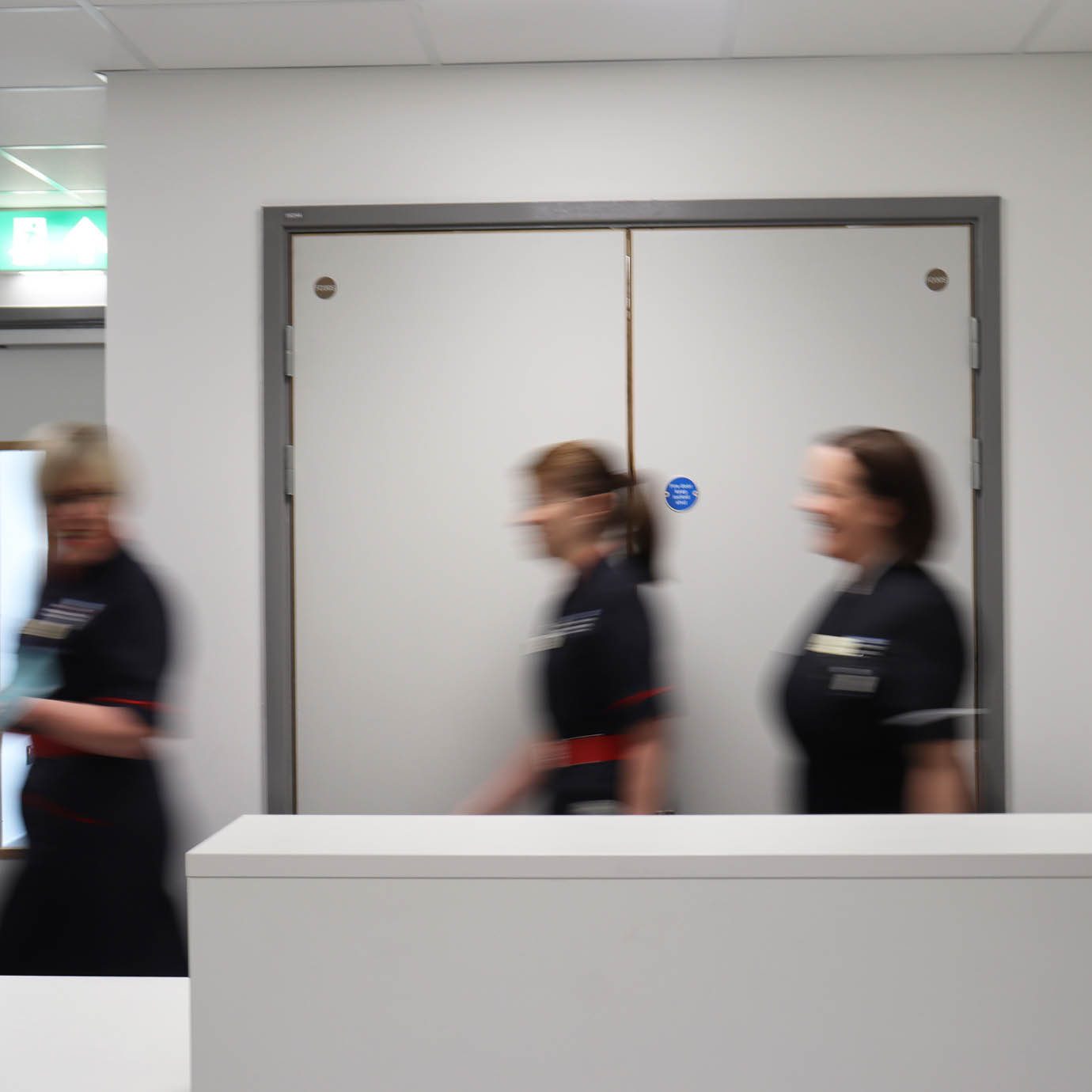
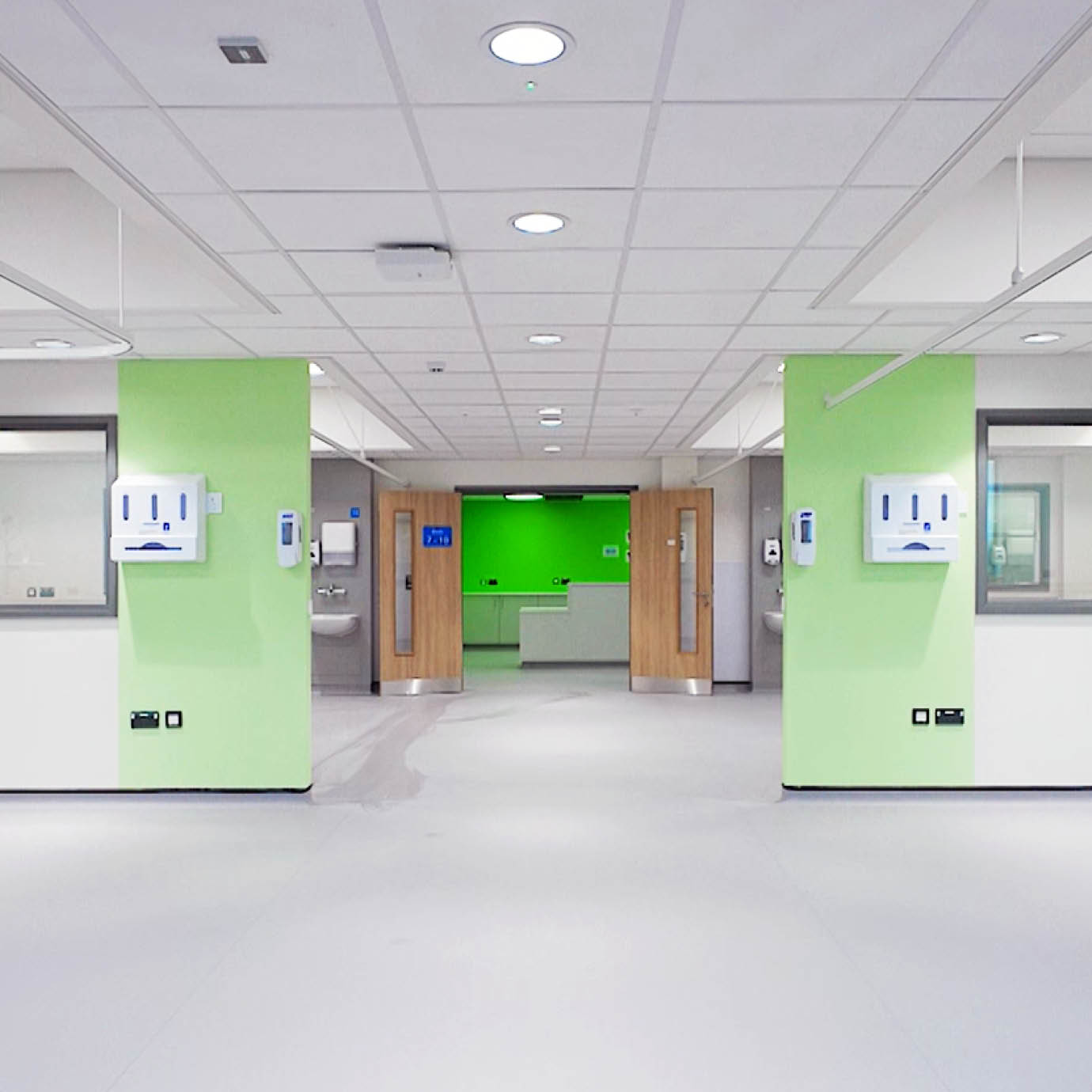
Designing a modern inpatient ward requires a considered balance between clinical efficiency, patient safety and a calm therapeutic environment. Ward layouts must accommodate the right ratio of multi‑bed bays to single rooms, ensure safe observation lines for nursing teams, support infection prevention requirements, and create efficient flows between clean and dirty utilities, drug prep areas and staff bases. Increasing complexity around acuity management, bed modelling, decarbonisation and digital monitoring systems also shapes how these environments must be planned. Health Spaces supports providers by analysing clinical demand, establishing a robust bed strategy, designing HTM/HBN‑compliant layouts, and delivering new or refurbished wards through carefully phased construction programmes that protect operational continuity.
Single Room Pod
Single‑room pods offer rapid capacity expansion for providers needing additional side rooms for isolation, enhanced infection control or improved patient privacy. These pods must integrate seamlessly into existing hospital infrastructure, meeting medical gas requirements, fire strategy, ventilation needs, acoustic performance and accessibility standards, all while being manufactured and installed at speed. Health Spaces works with providers to determine the strategic role of single‑room pods, delivering compliant modular designs, coordinating engineering integration and overcoming tight spatial or logistical constraints common on acute hospital sites.
Case Studies


High Dependency Unit (HDU)
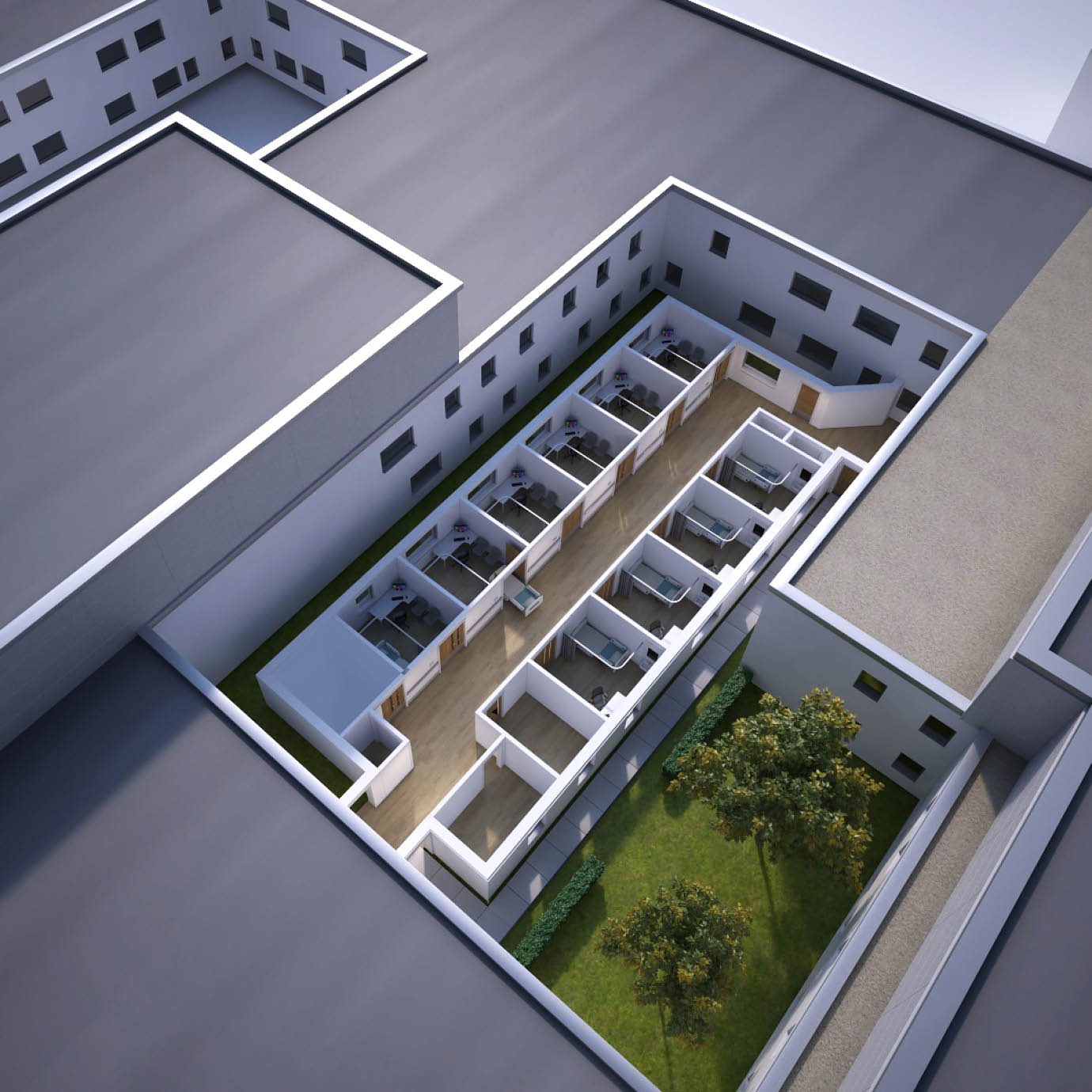
High Dependency Units require sophisticated clinical layouts enabling safe monitoring, rapid intervention and efficient nurse‑to‑patient workflows. These spaces must accommodate extensive medical gases, resilient power supplies, equipment‑heavy bedspaces, and acoustic and lighting conditions that support patient recovery. The challenge lies in designing a layout that supports high acuity care while maintaining staff visibility and ensuring clear pathways to theatres, imaging and ICU. Health Spaces develops operationally efficient HDU designs informed by clinical engagement, ensures engineering resilience in all systems, and phases construction carefully to safeguard adjacent live critical care environments.
Intensive Care Unit (ICU)
ICUs must balance complex engineering demands, 1:1 nursing ratios, continuous monitoring, specialist infection control and the emotional needs of families and staff. Designing these environments requires careful consideration of bed‑space clearances, airflow and ventilation performance, equipment reach and line management, staff rest points, and step‑up/step‑down links to other acute services. Health Spaces’ work in ICU environments focuses on evidence‑based layouts that reinforce staff visibility, deliver high levels of MEP resilience, and create humane, therapeutic environments that support recovery. We coordinate closely with clinical teams and estates leads to phase upgrades and new builds with minimal operational disruption.
Neonatal Intensive Care Unit (NICU)
NICUs demand a uniquely sensitive design approach, balancing highly technical clinical needs with spaces that support parents and caregivers. These units require thermal stability, soft acoustic environments, specialist gases, precise lighting controls and layouts that promote privacy while allowing constant observation. Health Spaces supports NICU development by defining family‑centred operational pathways, designing highly controlled engineering systems, and delivering construction programmes that respect the sensitivities of perinatal and neonatal care.
Birthing Suite
Birthing suites must support a safe, calm and private experience while enabling immediate escalation to obstetric theatres. These spaces require sensitive acoustic design, easy‑clean finishes, safe water birth integration (where used), midwife sightlines, neonatal resuscitation capability and clear, unobstructed emergency access routes. Health Spaces works closely with midwifery and obstetric teams to map pathways from triage to labour to post‑natal care, designing suites that uphold dignity and safety while accommodating technical and regulatory requirements.
Ultraclean Theatre
Ultraclean theatres are defined by stringent infection control standards, laminar airflow canopies, controlled air change rates, and exacting sterile flows. Designing these spaces requires precise coordination of HVAC systems, structural tolerances for heavy surgical equipment, sterile instrument workflows and integration of digital surgery technologies. Health Spaces develops compliant theatre designs aligned with HBN/HTM and specialty‑specific needs, ensures all engineering systems are validated for performance, and delivers theatre upgrades or new builds in highly constrained live surgical environments.
Hybrid Theatre
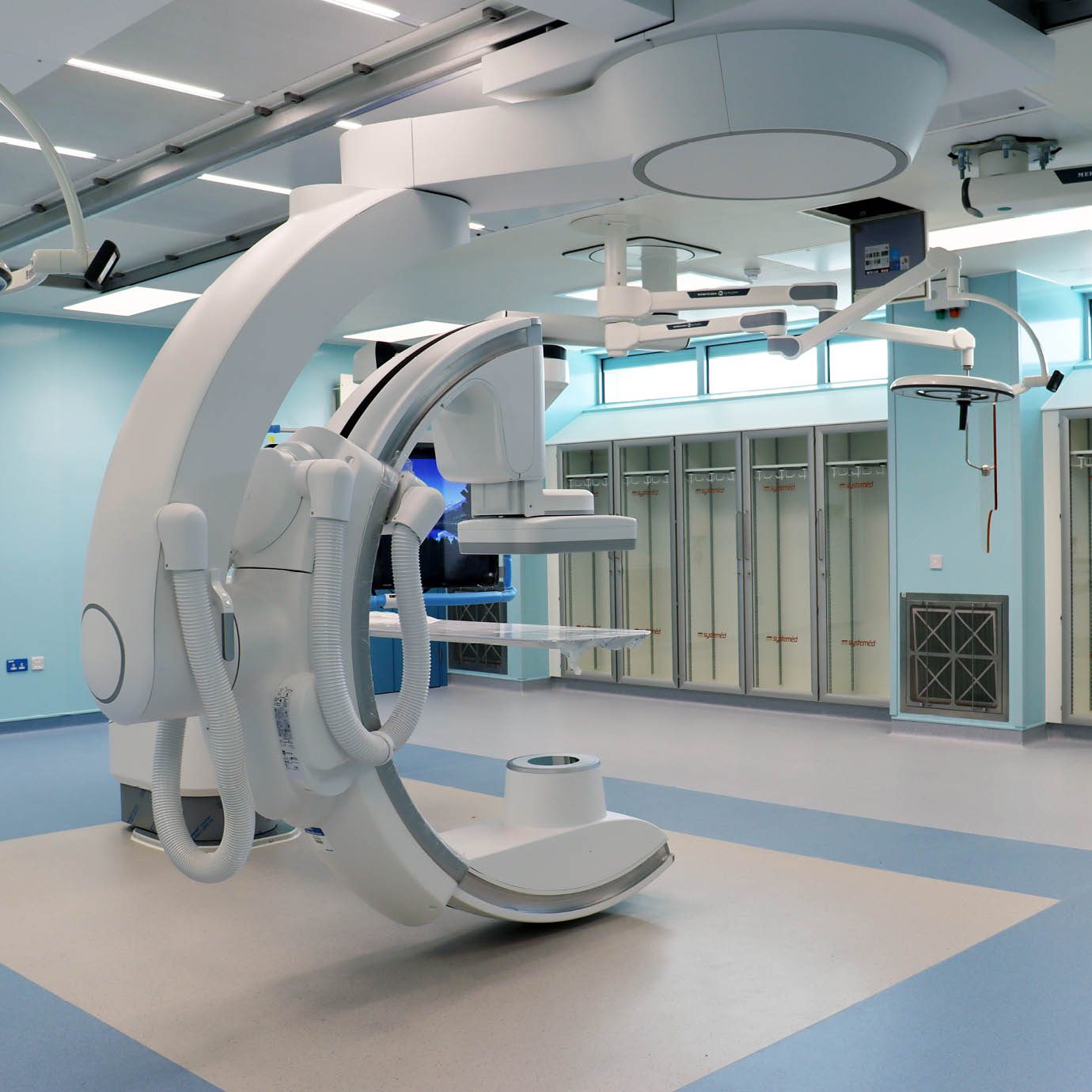
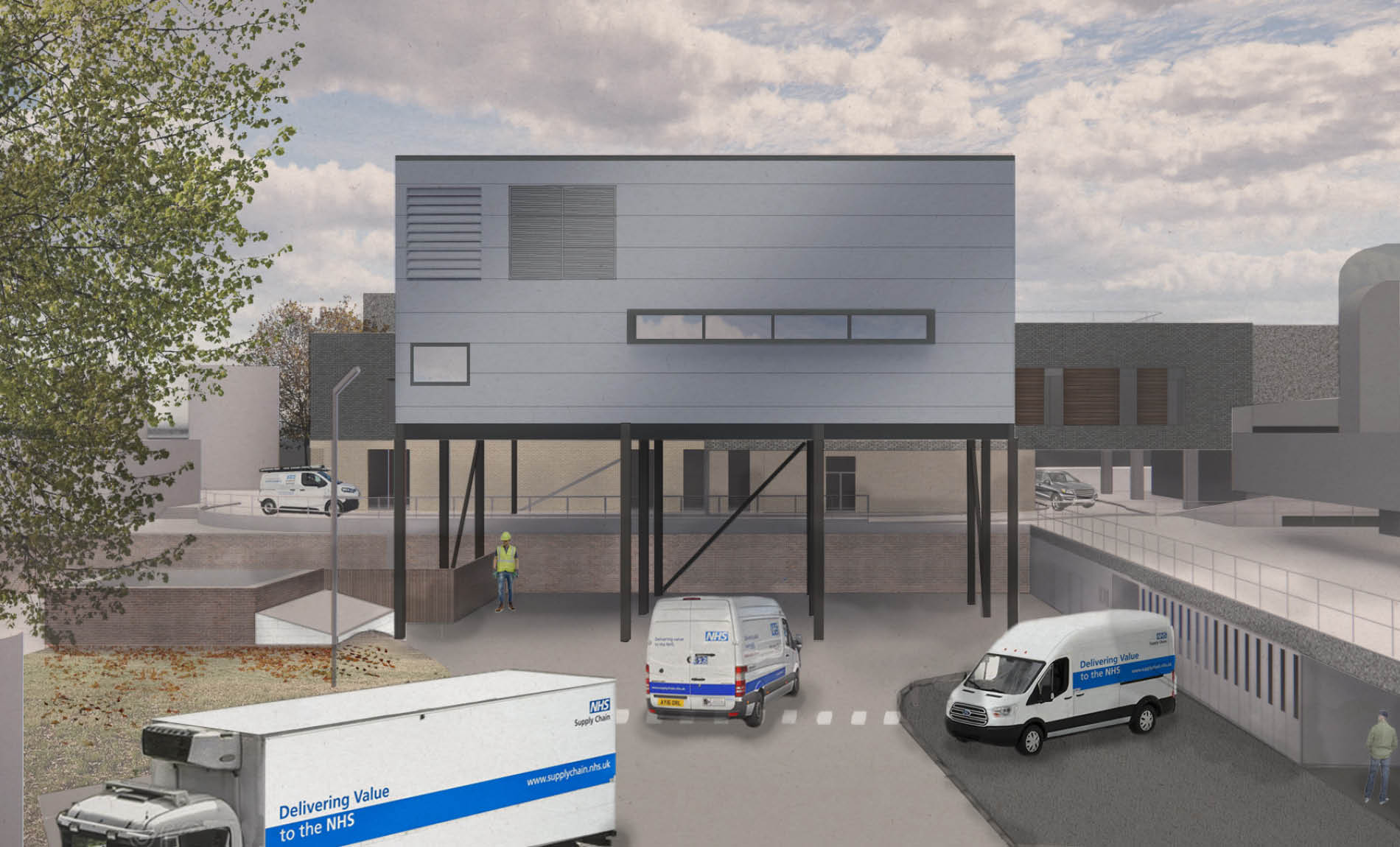
Hybrid theatres combine surgical functionality with angiography or other imaging capabilities, requiring complex structural, shielding and engineering solutions. These rooms carry significant spatial constraints due to ceiling tracks, pendant systems, and imaging gantries, meaning that workflows, emergency access and equipment placement must be deeply coordinated. Health Spaces works with surgical teams, vascular/cardiac specialists and imaging vendors to plan safe, repeatable workflows, resolve engineering constraints and deliver hybrid theatres that improve patient outcomes and reduce transfer times.
Surgical Hub
Surgical hubs require standardised, high‑throughput environments that separate elective activity from emergency pressures. This involves designing streamlined patient flows, optimising prep and recovery areas, embedding rapid cleaning protocols and ensuring direct links to sterile services. Health Spaces supports providers by defining the hub’s clinical model, creating standard room design kits and delivering fast‑track construction programmes that uplift elective surgery capacity and resilience.
Cath Lab
Catheterisation labs combine imaging, cardiology and interventional procedures, requiring radiation shielding, structural stability, vibration control, and uninterrupted power. They must also allow for emergency escalation and direct links to recovery and critical care. Health Spaces plans cath labs in collaboration with vendor teams, manages shielding and engineering design, sequences construction around live acute departments and ensures safe commissioning for immediate clinical use.
Endoscopy Suite
Endoscopy units must support clean/dirty segregation for scopes, JAG compliance, sedation safety and recovery management. These spaces rely on carefully designed flows for patients, staff and equipment, with clear zoning between decontamination, procedure rooms and recovery areas. Health Spaces creates layouts that meet JAG standards, integrate decontamination pathways, allow efficient staff coordination and stage construction safely within operational hospitals.
Imaging & Radiology Suite
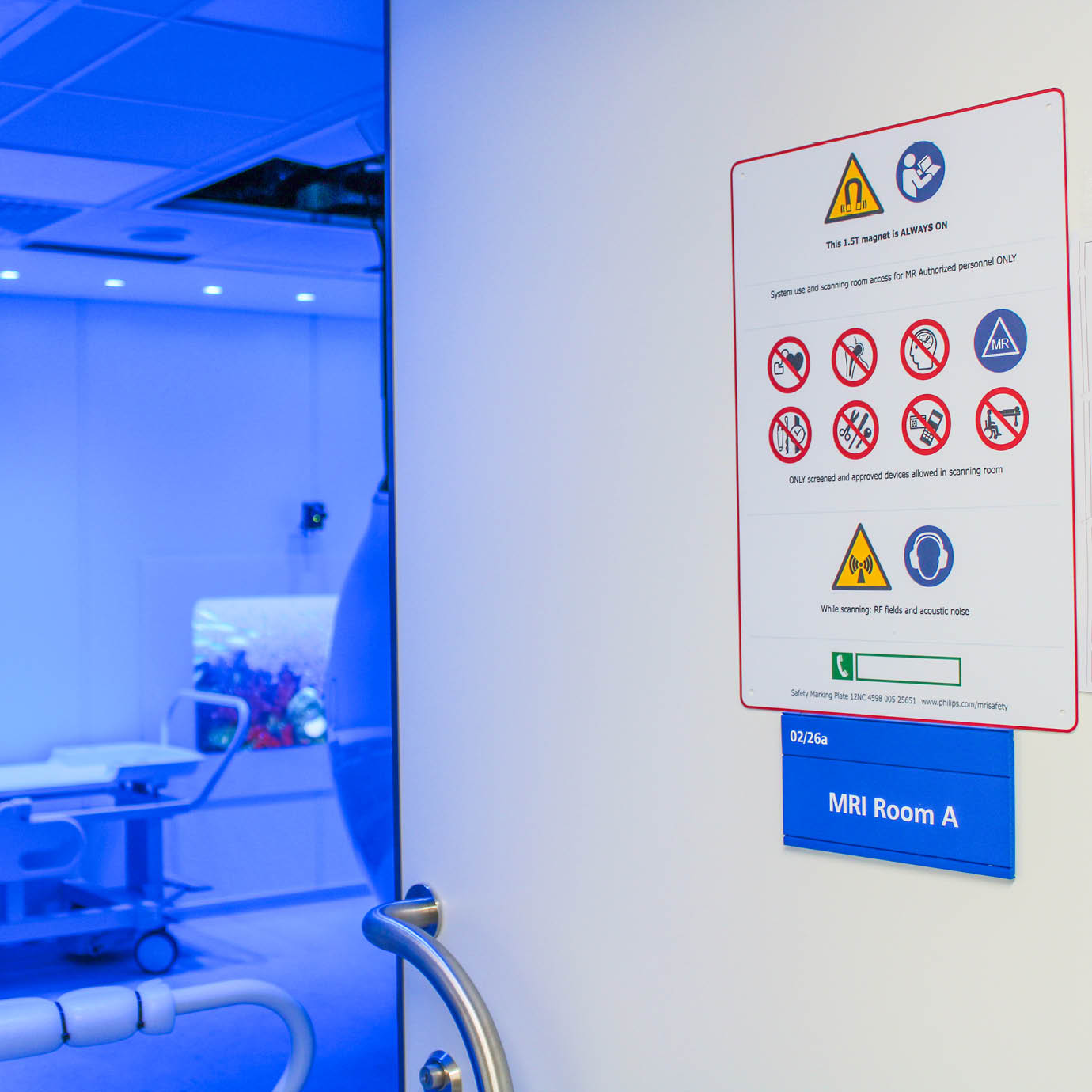
Designing an imaging and radiology suite demands a deep understanding of clinical workflow, radiation protection, vibration control, and complex equipment integration. These spaces often require balancing patient experience with the technical constraints of MRI, CT, X‑ray, ultrasound, fluoroscopy or hybrid imaging modalities – each carrying specific room sizes, shielding requirements and engineering demands. Health Spaces supports providers by defining imaging strategy, coordinating vendor requirements, delivering compliant room‑by‑room designs and implementing phased construction that minimises disruption to acute imaging services.
Patient Admissions Unit
Admissions units must handle fluctuating daily demand while providing safe, dignified preparation for surgical or inpatient pathways. These areas require efficient patient checks, belongings management, pre‑operative flows and seamless handover to theatres or wards. Health Spaces designs admissions areas that reduce waiting times, support safe clinical prep and integrate digital workflow tools, while delivering refurbishments around busy elective schedules.
Discharge Lounge
A discharge lounge must create a comfortable, well‑coordinated environment that reduces bed delays and supports medication, transport and discharge processes. These spaces benefit from clear sightlines, safe holding areas, accessible furniture, and adjacencies to pharmacy and transport coordination points. Health Spaces supports providers by designing lounges that drive flow improvements, reduce length of stay and provide a calm, supportive space at the end of a patient’s journey