Community & Primary Care
Across community and primary care settings, our role is to help organisations shape environments that are flexible, scalable and equipped for modern models of care – whether delivered by Trusts, ICSs or GP partnerships. Each project is grounded in actual service needs and aligned to local pathways from the outset, ensuring efficient delivery and enabling community‑based capacity that is both clinically effective and financially sustainable. This shift in capability ultimately supports better access for patients while easing demand on acute services.
GP Practice
Designing a GP practice involves balancing accessibility, privacy, infection control and efficient patient flow within a community setting. These environments must support consultation, treatment, minor procedures, chronic disease management, digital check‑in and waiting areas that accommodate vulnerable groups. They often also include back‑of‑house admin spaces, staff welfare zones, storage, and links to community services such as social prescribers. Health Spaces supports primary care providers by creating compliant HTM/HBN‑aligned room templates, optimising adjacencies, embedding digital front‑door solutions, and delivering refurbishments or extensions with minimal service downtime.
Dentist Practice
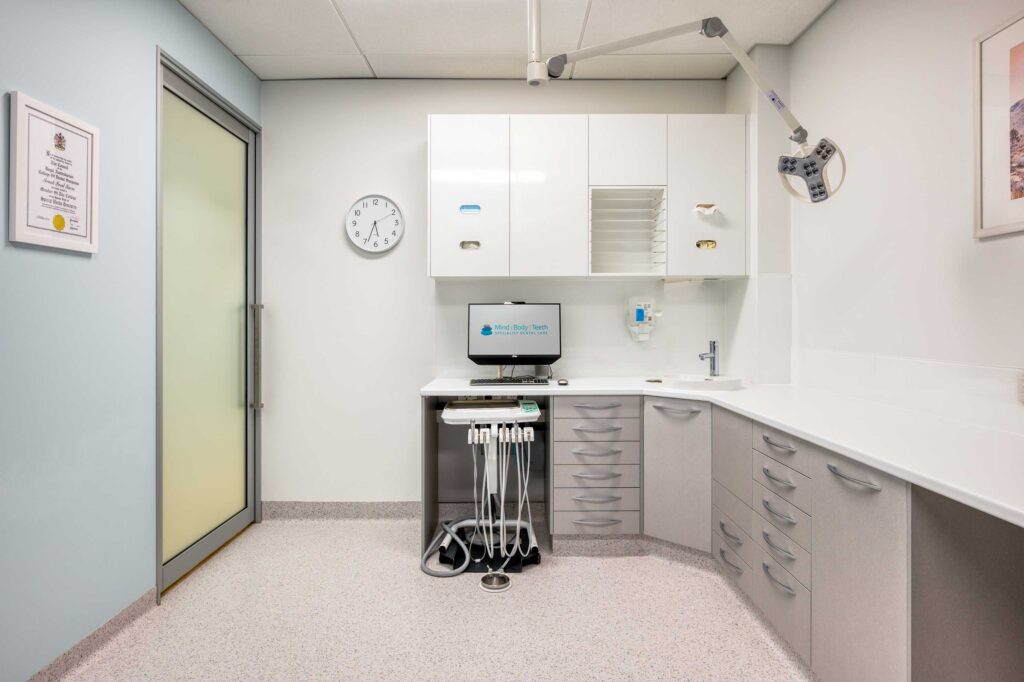
Dental practices require precise integration of compressed air, suction, decontamination facilities, X‑ray shielding, and safe patient movement through surgery rooms, waiting areas and sterilisation zones. These spaces must support high infection‑control standards and seamless operation between clinical and administrative functions. Health Spaces helps providers navigate HTM 01‑05 requirements, design efficient sterilisation flows, and integrate imaging and treatment equipment safely through coordinated design and phased installation.
Neighbourhood Health Hub
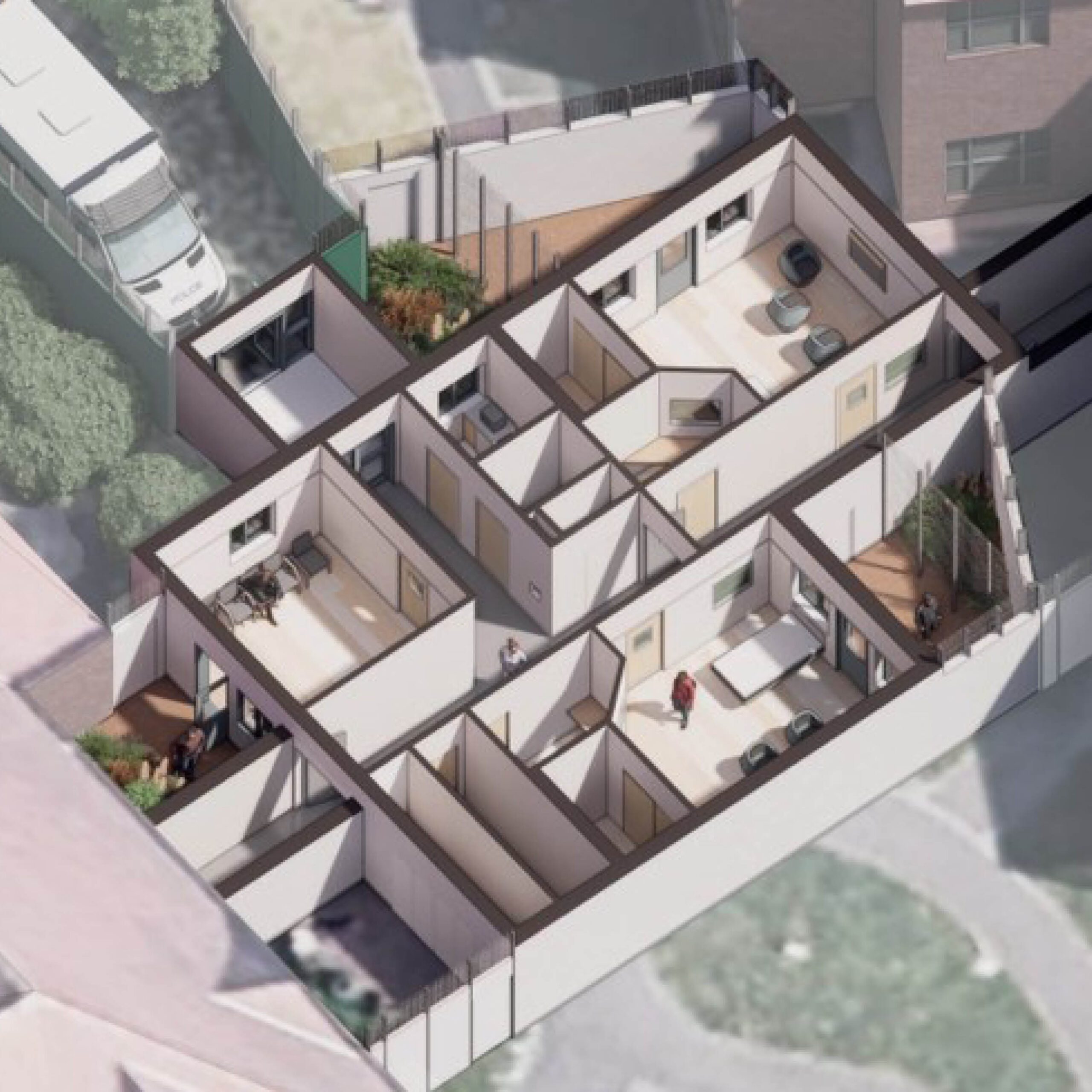
Neighbourhood Health Hubs bring multiple services together – such as GP, community nursing, diagnostics, therapy, mental health support, social care and voluntary services – within a single accessible community environment. Complexity arises from shared reception arrangements, safeguarding needs, varied acuity levels, room‑use flexibility and digital integration across multiple providers. Health Spaces supports ICSs and Trusts by mapping service pathways across teams, designing universal clinic rooms, and creating shared back‑of‑house and welfare spaces that strengthen collaboration and patient experience. These projects often include complex phasing to maintain community services during construction.
Vaccination Centre
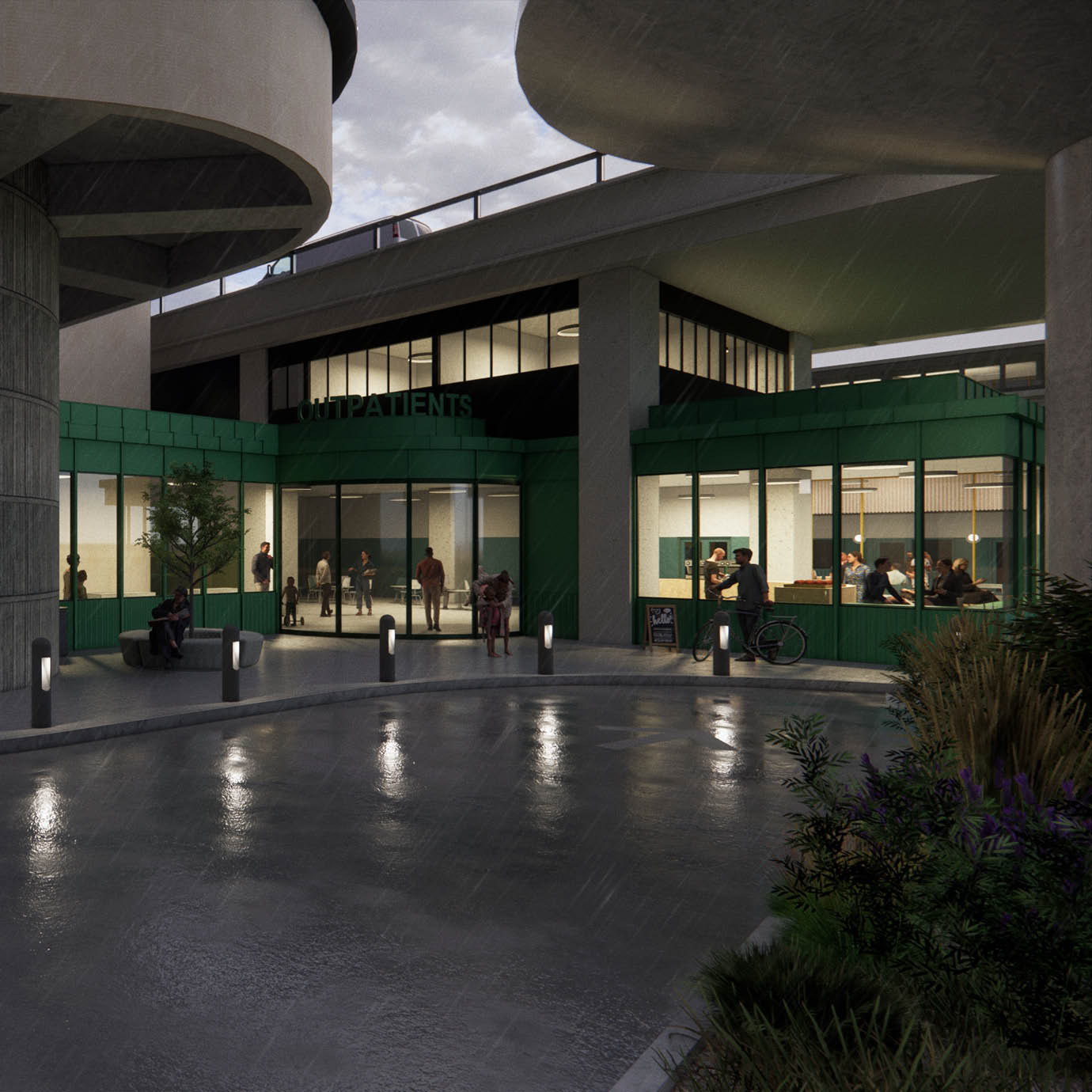
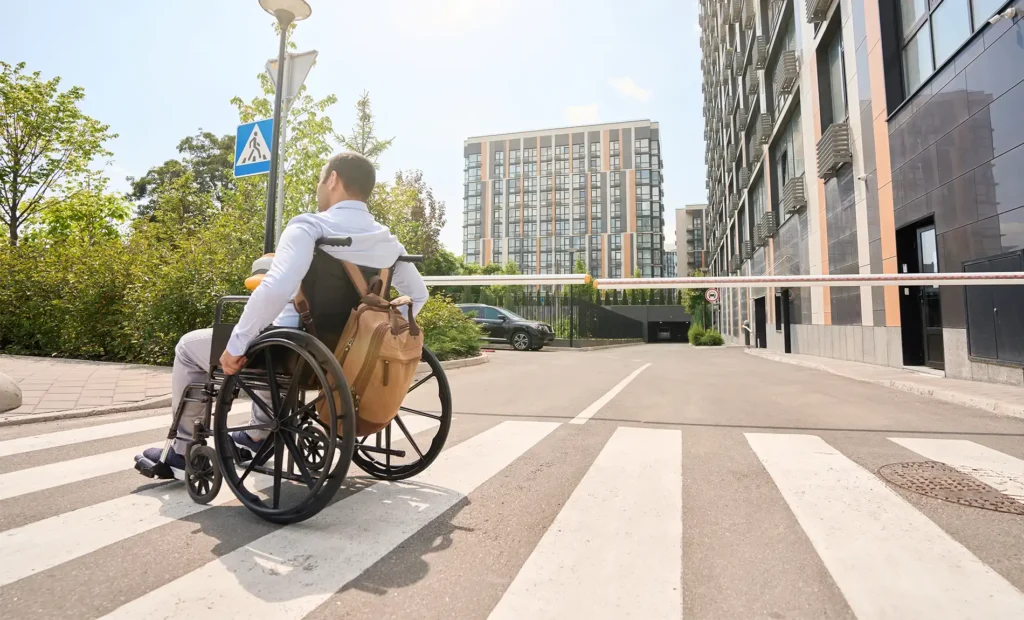
Vaccination centres require high‑throughput design, with clear entry and exit flows, clinical prep space, vaccine storage and cold‑chain integrity, observation zones, and accessible waiting and queuing environments. Seasonal variation and surge planning must also be accommodated. Health Spaces supports rapid deployment of vaccination centres through modular, pop‑up or permanent solutions, ensuring efficient flows, safe equipment operation, and flexible layouts that can scale up or down based on public health demands.
Care Home
Care homes require environments that balance safety, dignity, social engagement and clinical support for residents with a wide range of needs. Key design challenges include dementia‑friendly layouts, appropriate acoustics, safe wandering routes, homely interiors, staff visibility, infection control and future adaptability. Health Spaces creates living environments that feel domestic yet safe, mapping daily routines, integrating wellbeing spaces, and upgrading facilities in a way that respects residents’ comfort and continuity of care.


Nursing Home
Nursing homes accommodate residents with higher levels of medical need, requiring enhanced clinical spaces, safe manual‑handling layouts, and close integration between social and nursing care. They must support medication management, staff welfare, clean/dirty flows and sufficient storage. Health Spaces helps providers design compliant nursing home layouts with supportive technology, clear operational flows, and modern, dignified resident environments.

Stepped-Down Care Facility
Stepped‑down care facilities bridge the gap between acute hospital care and home. Designing these environments requires balancing rehabilitation needs, transitional support, therapy access, staff observation and safe mobility routes. These facilities must integrate therapy rooms, accessible bathrooms, family areas and adaptable bed spaces while maintaining a non‑institutional feel. Health Spaces develops transitional care models, designs spaces that promote independence, and manages construction programmes that enable rapid commissioning.
Pharmacy (Community Variant)
Community pharmacies must integrate safe medicine storage, controlled drugs management, consultation rooms, retail flows and back‑of‑house dispensing operations. Accessibility and privacy are vital, alongside seamless integration with GP, vaccination and community health services. Health Spaces supports providers in designing efficient, secure dispensaries, improving flow for high‑volume prescription processing, and creating welcoming consultation rooms that support expanding clinical pharmacy services.
Dialysis Unit (Community Variant)
Community dialysis units must offer hospital‑grade safety with a local, accessible footprint. They require water treatment infrastructure, robust ventilation, generous nurse visibility, and patient‑centred environments that support comfort during long treatment sessions. Health Spaces delivers dialysis environments with resilient plant integration, infection prevention measures and therapeutic design elements that support wellbeing.
Mental Health Clinic (Community Variant)
Community mental health clinics must support confidential consultations, safe staff workflows, safeguarding‑led waiting areas and calming sensory environments. Acoustic control and trauma‑informed design principles are essential, along with flexible room types for 1:1 therapy, group work and multidisciplinary clinics. Health Spaces designs environments that promote privacy and de‑escalation, incorporating inclusive finishes and safe layouts while ensuring compliance with mental‑health safety standards.