Ambulatory & Outpatient Environments
Ambulatory and outpatient services rely on environments that can support high throughput and predictable flow. We work with organisations to optimise these spaces so they can treat more patients safely and comfortably, while reducing bottlenecks and pressure on acute pathways. By uniting strategy, clinical planning and capital delivery, we ensure each environment achieves maximum impact with minimal complexity, creating spaces that are operationally efficient from day one.
Outpatient Clinic
Outpatient clinics must support high‑volume, multi‑specialty activity while ensuring privacy, dignity and efficient patient flow. These environments often bring together consultation rooms, treatment spaces, shared diagnostics and administrative functions, meaning the design needs to support rapid turnover, flexible room use and clear wayfinding. Providers also face challenges such as no‑shows, mixed acuity, and digital integration (self‑check‑in, virtual consults, digital notes). Health Spaces plans these clinics around clear service mapping, creates universal room templates that can flex between specialties, and delivers refurbishments and new builds with minimal disruption to ongoing outpatient activity.
Fracture Clinic
Fracture clinics require close adjacency to imaging, safe circulation routes for patients with restricted mobility, and efficient streaming between assessment, plastering, X‑ray and follow‑up review. These environments must integrate appropriately ventilated plaster rooms, safe manual‑handling layouts and seating zones that accommodate higher‑need patients. Health Spaces supports fracture clinic delivery by optimising adjacencies to imaging, designing ergonomic plaster rooms compliant with HTM requirements, and developing patient‑first flows that reduce wait times while improving visibility for clinical teams.
Ophthalmology Outpatients Centre
Ophthalmology clinics combine diagnostics, consultation and minor procedure functions in a space‑efficient environment. These centres must integrate dark rooms, OCT/biometry testing spaces, waiting areas suitable for dilated patients, and sterile rooms for injections or minor ops. Throughput and sequencing are critical, as patients often cycle through multiple testing stations before review. Health Spaces designs ophthalmology centres around modality‑led flow, ensures specialist lighting and acoustic conditions, and provides construction phasing that protects delicate diagnostic equipment and maintains continuity of service.
Audiology Clinic
Audiology environments require specialist acoustic isolation, calibrated test booths, paediatric‑appropriate layouts, and safe routes for patients with balance or sensory impairments. These spaces must mitigate external noise, vibration and electromagnetic interference to maintain test accuracy. Health Spaces develops acoustically optimised testing booths, designs accessible consultation areas, and manages installation of specialist equipment through coordinated planning and low‑disruption fit‑out.
Respiratory Clinic
Respiratory clinics often include pulmonary function testing (PFT) rooms, consultation rooms, nebuliser spaces and controlled ventilation areas due to aerosol‑generating procedures (AGPs). These environments must support safe patient circulation, high‑performance HVAC, and clear zoning to reduce infection risk. Health Spaces works with respiratory teams to plan AGP‑appropriate layouts, ensure ventilation meets clinical requirements, and deliver refurbishments that maintain patient and staff safety throughout construction.
Rehabilitation Gym
Rehabilitation gyms require flexible zoning to support physiotherapy, MSK rehabilitation, balance training, equipment‑assisted therapy and group exercise. Designing these spaces involves managing acoustics, equipment clearances, fall‑risk mitigation and sightlines for therapists. Health Spaces creates therapy‑rich environments with appropriate flooring, adaptable layouts, digital integration for therapy monitoring, and construction plans that allow continued service delivery nearby.
Chemotherapy Day Unit
Chemotherapy day units demand careful design to support patient comfort during long treatment sessions while ensuring clinical safety for staff handling cytotoxic agents. These units require reliable storage for drugs, safe infusion bay layouts with nurse visibility, privacy options, emergency response capacity and supportive interior design that reduces anxiety and fatigue. Health Spaces develops layouts that balance clinical oversight with patient dignity, integrates resilient engineering systems, and delivers refurbishment works with strong infection control measures and minimal operational impact.
Dialysis Unit
Dialysis units must accommodate water treatment plant, drainage systems, emergency access and long‑duration patient stays. Bay layouts need to support nurse oversight, patient comfort, infection prevention and efficient equipment movement. Health Spaces supports providers by designing dialysis spaces around water treatment resilience, optimising patient adjacency and visibility, and delivering units that meet stringent MEP and infection control requirements.
Diagnostic Centre
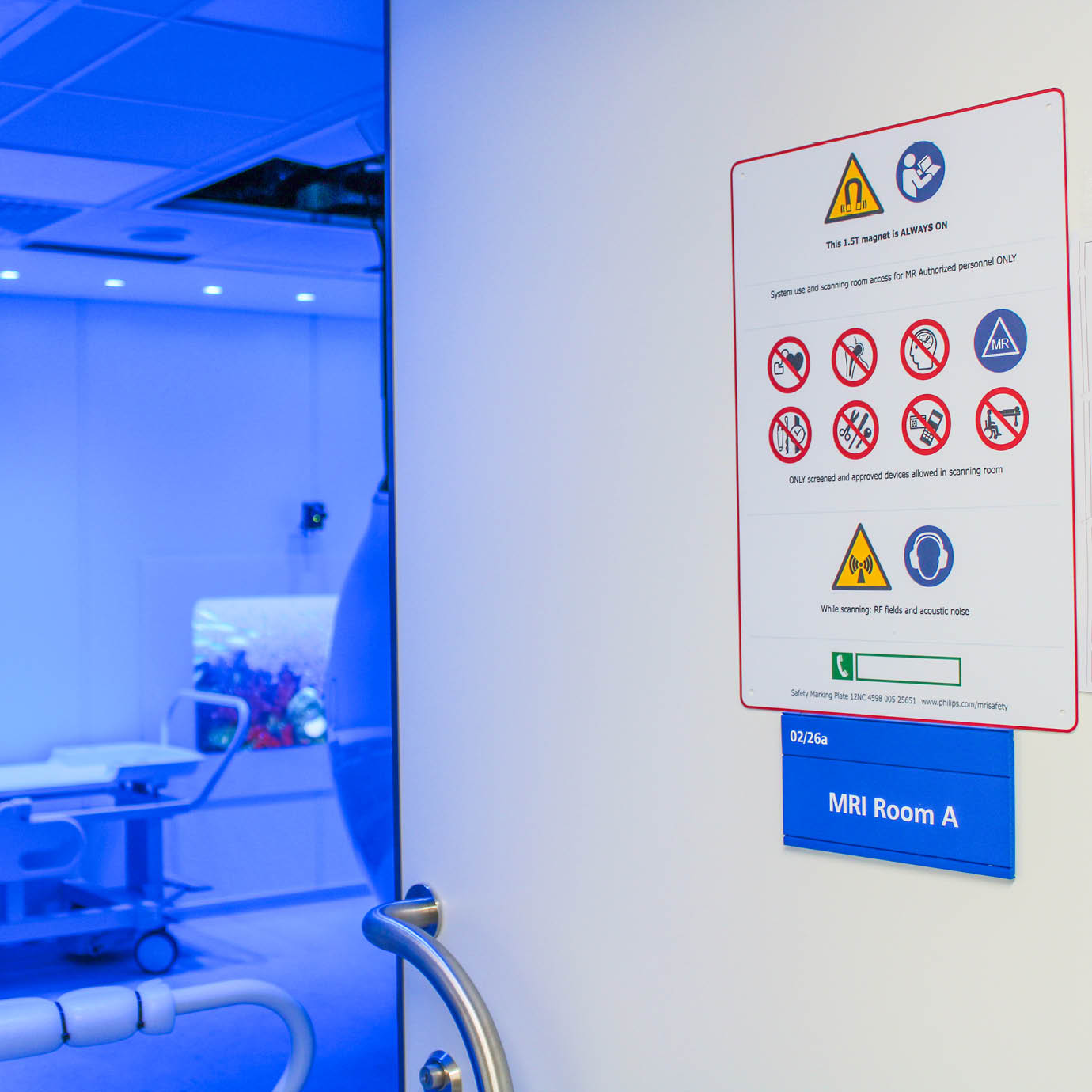
Diagnostic centres combine multiple imaging and testing modalities – such as MRI, CT, ultrasound, X‑ray, phlebotomy and lung screening – into a single, high‑throughput environment. These centres must balance spatial efficiency, patient accessibility, engineering resilience, vendor coordination and seamless operational flow. Health Spaces supports providers by modelling local demand, defining the modality mix, designing shells and MEP infrastructure that accommodate future upgrades, and delivering diagnostic hubs rapidly through phased or modular construction.