

Orthopaedic Theatre Feasibility Study
In response to the global COVID-19 pandemic, the Trust had to close down their non-essential, elective surgery to increase their capacity to care for COVID patients and minimise risk of transmission of the virus.

Client
NHS Trust

Timeframe
6 months

Size/Area
Feasibility Study & Concept Design Only

Project Completed
2021
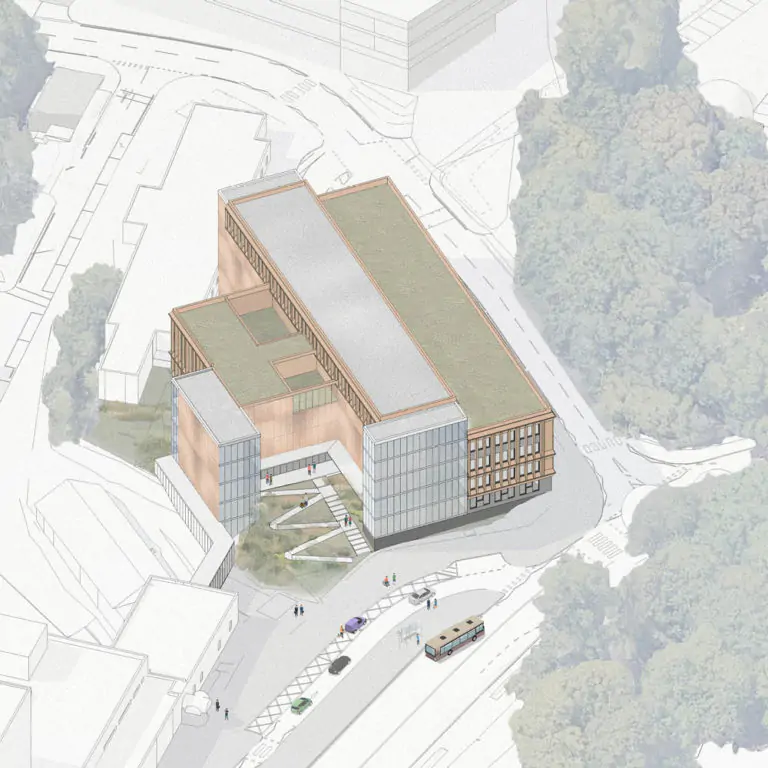
A recovery plan to increase patient capacity
In response to the COVID-19 pandemic, the Trust had to pause non-essential elective surgery to increase capacity for patients with COVID-19 and reduce the risk of transmission. As a result, orthopaedic provision had been significantly disrupted for more than a year. The Trust needed to develop a recovery plan that would help increase surgical capacity, respond to growing demand and address the backlog of patients waiting for treatment.
The requirement extended beyond theatre space alone. To support a more complete orthopaedic pathway, the Trust also needed to consider inpatient wards, recovery areas and the ancillary spaces required around them. The project was undertaken as a feasibility study and concept design only. Health Spaces was appointed to help the Trust understand what could be achieved on a constrained hospital site and develop a high-level scheme that could support future funding applications.
Understand. Create. Deliver.
For this project, Health Spaces was appointed to undertake feasibility and concept design only. While the scheme did not progress to physical delivery, the work followed the same integrated methodology, focusing on understanding the clinical and estate requirements, creating a viable high-level concept and delivering the insight needed to support future decision-making.
0.1 Understand
The first step was to understand the scale of the clinical challenge and how the estate could support elective recovery. Health Spaces responded quickly with a site visit and worked closely with the Trust’s estates and clinical teams to understand the impact of the loss of orthopaedic provision, the capacity required to support recovery and the wider estate strategy for the hospital site.
The team also needed to understand the constraints of the existing hospital environment. With limited space available, the feasibility work had to test not only where additional theatre capacity could be located, but how it could connect with the wider pathway of care, including inpatient accommodation, recovery and supporting clinical spaces.
Infection prevention and control was also a key consideration. Any new invasive surgery environment would need to support safe practice, reduce infection risk and provide a suitable setting for elective orthopaedic care in the post-pandemic context.
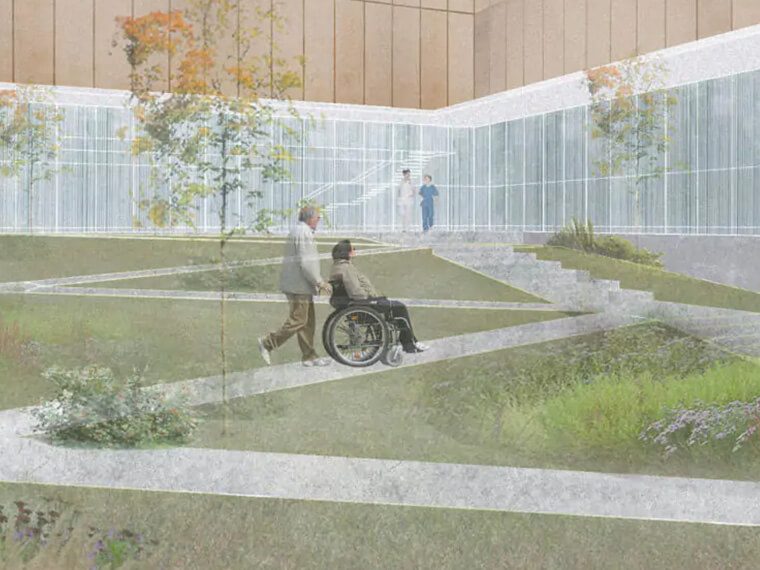
0.2 Create
With the clinical need and site constraints understood, Health Spaces developed a high-level concept for a new four-storey orthopaedic block. The proposed scheme brought together operating theatre space, inpatient ward accommodation, recovery areas and ancillary support spaces into one integrated concept. This allowed the Trust to understand how a more complete orthopaedic pathway could be accommodated on the hospital site.
The concept design was developed to support future decision-making and potential funding applications. It gave the Trust a clearer view of the scale, scope and opportunity of the proposed development, while helping to test how additional elective capacity could be delivered within the constraints of the existing estate.
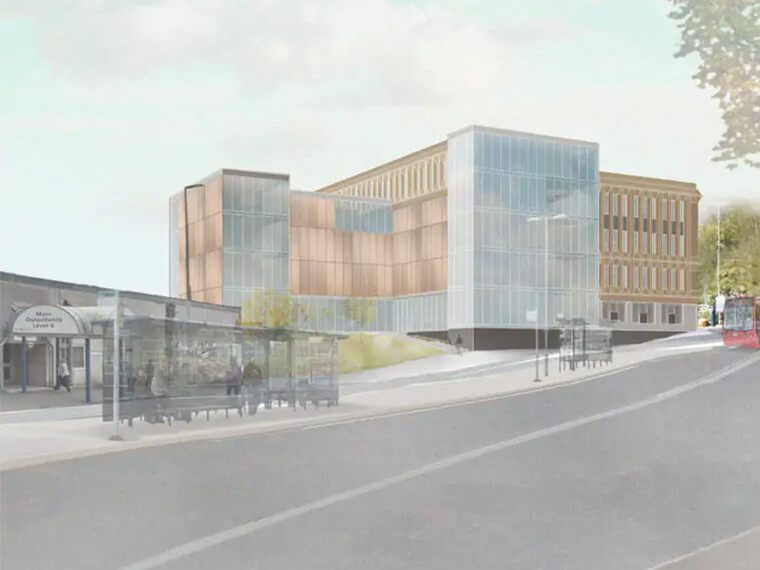
Rapid response
The feasibility study provided the Trust with a high-level scheme for a new orthopaedic block, designed to support elective recovery and increase surgical capacity following the disruption caused by the pandemic. The work helped establish what could be achieved on the hospital site and provided a practical basis for future funding discussions.
For the Trust, the study turned an urgent recovery challenge into a clearer estate option: a potential route to restoring orthopaedic provision, increasing patient capacity and supporting the longer-term resilience of elective care.
Delivering Exceptional Patient Experiences
Similar Healthcare Projects
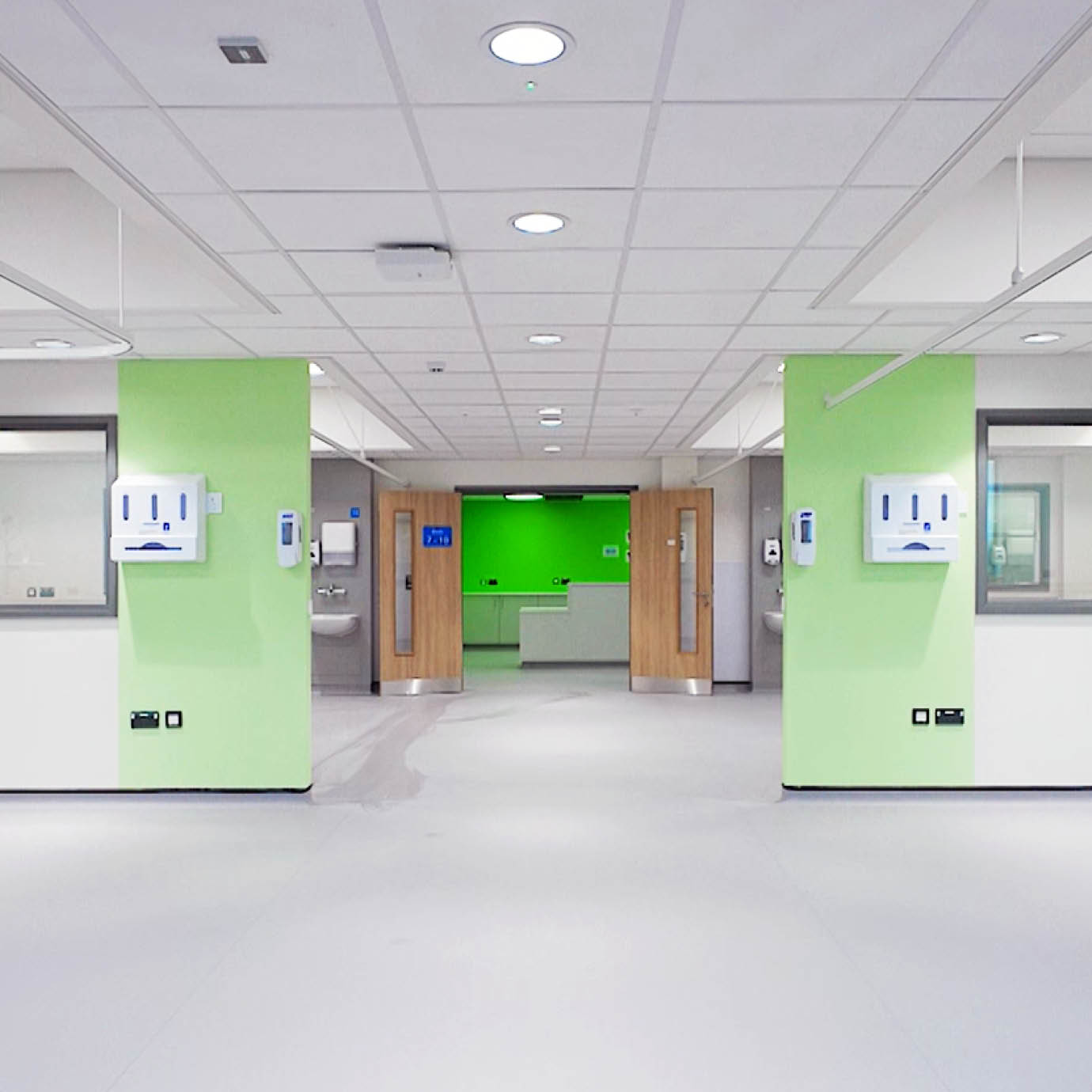
Respiratory Ward & ICU at Newham Hospital
Barts Health NHS Trust
Urgent Treatment Centre at Peterborough City Hospital
North West Anglia NHS Foundation Trust

Paediatric Assessment Unit at Peterborough City Hospital
North West Anglia NHS Foundation Trust
A Community Diagnostic Centre at Cannock Chase Hospital
The Royal Wolverhampton NHS Trust